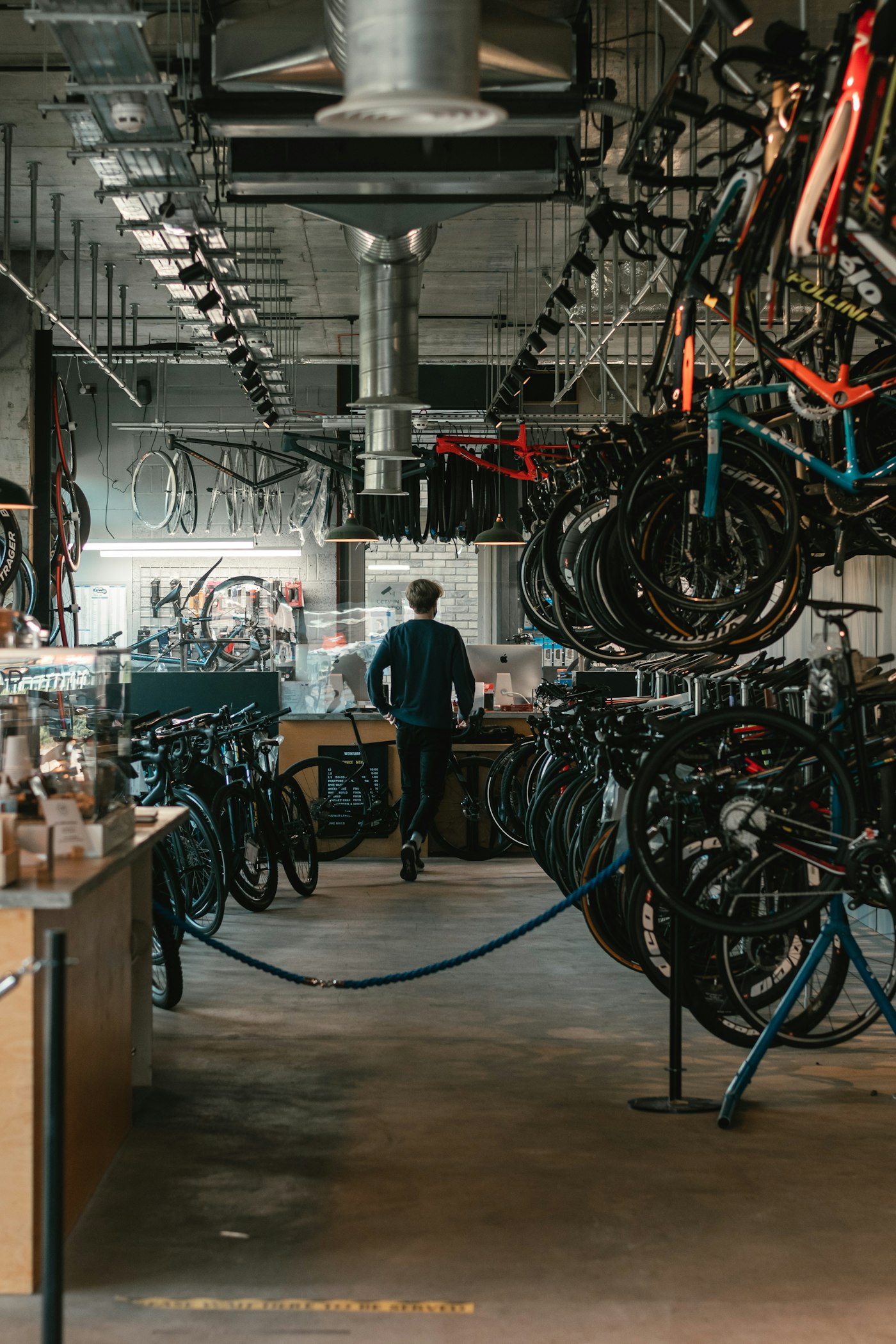
Short answer: Bicycles from China enter the United States under HTS 8712.00 and e-bikes under HTS 8711.60.00, and both are covered by Section 301 of the Trade Act of 1974, List 3, which took effect on 24 September 2018 and rose to 25% on 10 May 2019. That 25% is additional to the normal HTSUS MFN rate for the heading, so the entry must declare a Chapter 99 subheading from the 9903.88.xx series alongside the Chapter 87 classification. Moving final assembly to another country changes nothing unless the work meets the substantial transformation test in 19 CFR Part 134 — simple assembly of Chinese frames and components normally does not.
How does the Section 301 duty stack on top of the normal HTSUS rate?
Section 301 does not re-classify your goods. A bicycle stays in Chapter 87 of the HTSUS and still owes the MFN rate published for that subheading. Section 301 adds a supplemental duty administered through Chapter 99, so the broker declares both on the same entry line: the Chapter 87 subheading describing the product, and the 9903.88.xx subheading carrying the additional 25%. Both rates apply to the same customs value and are additive, not compounded.
Agree the Incoterm before the commercial invoice is issued: EXW, FOB, CIF and DDP each put the duty burden and the importer of record role in a different place.
Which HTS codes cover bicycles, e-bikes, parts and batteries?
| Item as imported | HTSUS code | Section 301 status | Entry must also show |
| Bicycles, not motorised | 8712.00 | List 3 from 24 September 2018; 25% since 10 May 2019 | A 9903.88.xx subheading on the same line |
| Cycles with auxiliary electric motor | 8711.60.00 | List 3, 25% | 9903.88.xx, motor rating, battery spec |
| Bicycle parts and accessories | 8714.91–8714.99 | Covered by the Section 301 lists | Part-level subheading, not the bike heading |
| Lithium-ion packs, including spares | 8507.60 | Non-EV lithium-ion to 25% from 1 January 2026 | UN 38.3 summary, DG paperwork, UL 2271 |
| Complete e-bike, battery installed | 8711.60.00 | List 3, 25% | Battery declared with the vehicle |
Classification of the e-bike is where disputes start. A pedal-assist bicycle belongs in 8711.60.00; a throttle-driven machine that no longer functions as a bicycle can be pushed toward other 8711 subheadings. CBP judges the article as imported.
Are Section 301 exclusions still worth chasing in 2026?
Exclusions are time-limited by design. USTR grants them for a defined window, extends some and lets others lapse, and the date that matters is the date of entry, not the date of your purchase order. An exclusion that was live when you ordered can be gone when the container clears.
The USTR four-year statutory review concluded in 2024 also changed the picture for electric bikes: non-EV lithium-ion batteries move to 25% effective 1 January 2026. That reaches packs entered as spares or warranty stock under 8507.60, so a 2026 e-bike programme must model the complete-bike entry and the spare-battery entry separately.
Does assembling in a third country change the country of origin?
Only if the operation substantially transforms the components. Under 19 CFR Part 134, origin is the country where the article was wholly obtained or last substantially transformed into a new and different article of commerce with a new name, character or use. Where the container was loaded is irrelevant. Bolting Chinese parts onto a Chinese frame abroad is assembly, not transformation.
What genuinely moves origin is real manufacturing — tube cutting, forming, welding, heat treatment and finishing of the frame, plus meaningful local sourcing of the major component groups — supported by records you can produce on demand: a bill of materials showing the origin of every line, production and payroll records, photographs of the line. Marking under 19 U.S.C. 1304 must state the true origin, and 19 U.S.C. 1592 penalties sit on top of the duty owed. Request a binding ruling from CBP before you ship rather than arguing origin at the port.
What else does a compliant US bicycle entry require?
- ISF 10+2 — filed at least 24 hours before the cargo is loaded at the Chinese port. Late or inaccurate filings draw liquidated damages claims and holds.
- Entry summary, CBP Form 7501 — due within 10 working days of release, with duties deposited at the same time.
- Customs bond — single-transaction for a one-off shipment, continuous for a repeating programme.
- MPF and HMF — Merchandise Processing Fee and Harbor Maintenance Fee are separate line items, not part of any tariff rate.
- CPSC — bicycles are regulated consumer products under CPSC 16 CFR 1512. Children’s models also need testing by a CPSC-accepted laboratory, a Children’s Product Certificate and tracking labels.
This is why a Section 301 plan is not an import plan. Duty is one line on the entry; the same entry must also survive a CPSC review, a bond check and a marking inspection. We prepare model-by-model classification data before booking, not after.
Frequently asked questions
Is the Section 301 duty charged instead of the normal duty?
No, it is charged in addition to it. The Chapter 87 classification still carries its HTSUS MFN rate, and the Section 301 List 3 duty of 25% is declared separately through a Chapter 99 subheading in the 9903.88.xx series. Both are calculated on the same customs value and added together.
Which HTS code applies to an electric bicycle imported from China?
A pedal-assist e-bike is normally classified under HTS 8711.60.00 as a cycle fitted with an auxiliary electric motor, while a conventional bicycle falls under 8712.00. Motor rating and functional pedals both affect the analysis. A binding ruling from CBP is the only way to remove classification risk before shipping.
Can I avoid Section 301 by shipping through Vietnam or another third country?
Transhipment alone does nothing. Country of origin is decided by substantial transformation under 19 CFR Part 134, not by the port of loading, so simply assembling Chinese frames and parts elsewhere generally leaves the origin Chinese. Only genuine frame manufacture and local component sourcing, backed by production records, change the answer.
Do e-bike batteries face a different duty position in 2026?
Yes. Following the USTR four-year statutory review concluded in 2024, non-EV lithium-ion batteries move to 25% effective 1 January 2026. That applies to packs entered on their own under 8507.60, so spare-battery shipments should be planned separately from complete e-bikes under 8711.60.00.
Who pays the tariff under FOB versus DDP?
Under EXW, FOB and CIF the buyer is the importer of record and pays the duty, the Section 301 amount, MPF and HMF directly to CBP. Under DDP the seller clears the goods and bears those charges, but that must be agreed before the invoice is issued and does not remove the buyer’s CPSC obligations.
What happens if the country of origin declared on my entry is wrong?
CBP can demand the unpaid duty with interest, order redelivery for false marking under 19 U.S.C. 1304, and assess penalties under 19 U.S.C. 1592. The importer of record carries that liability, so keep origin evidence — bills of materials, production records, supplier declarations — on file for at least five years.
Planning a US-bound bicycle programme
We ship to the United States from Guangzhou every month and prepare classification, origin and CPSC documentation as part of the order file, with programmes starting at 50–150 units for city bikes, 50–100 for mountain and folding models and 25–50 for e-bikes. Building your first US entry? Start with our importer guide.
