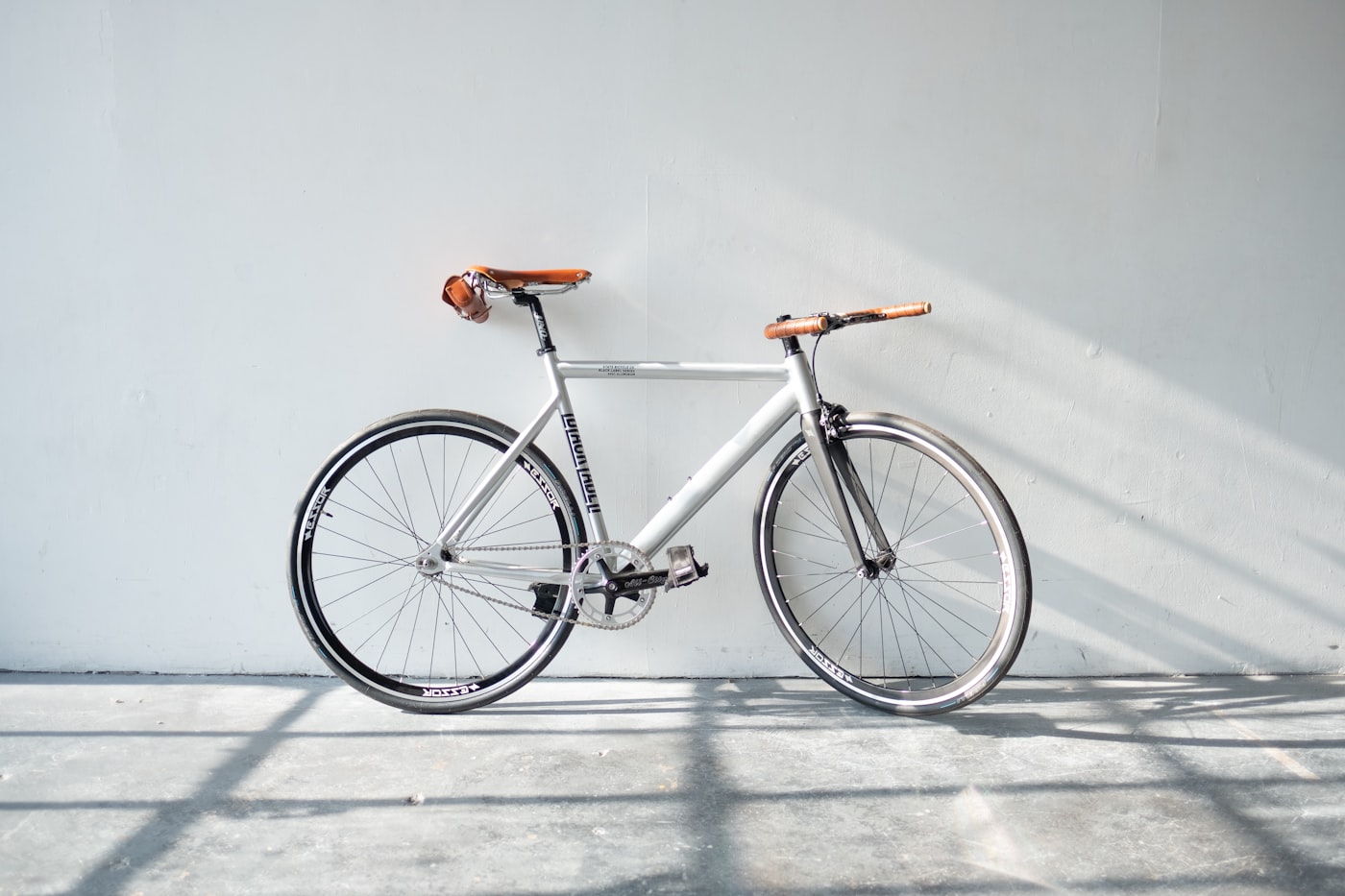
Short answer: CBU, SKD and CKD describe how much of the bicycle is already built when it leaves the factory. CBU (Completely Built Up) ships about 85-90% assembled, one bike per carton, needing only front wheel, handlebar, pedals, saddle and a safety check. SKD (Semi Knocked Down) ships a built frame module with wheels and cockpit packed separately, cutting volume and moving final assembly to you. CKD (Completely Knocked Down) ships loose components in bulk for a real assembly line at destination — the biggest freight saving, and the most tooling, labour and compliance responsibility on your side.
What do CBU, SKD and CKD actually mean for bicycles?
The terms come from the automotive trade and were never standardised for bicycles: one supplier's SKD is another's CKD, and customs looks at what is physically in the carton, not at the label. The only definition that counts commercially is the one written into your bill of materials (BOM) and packing specification, so make every supplier quote against the same written spec, carton by carton. For bicycles the practical dividing line is where the bearings, the drivetrain and the wheels get fitted — those three operations decide how much skilled labour and tooling the destination needs.
What stays assembled at each level?
CBU. A standard export carton is not a 100% built bike: frame with fork, headset, bottom bracket, crankset, chain, derailleurs and brakes cabled and adjusted, rear wheel mounted, front wheel strapped alongside, handlebar loosened and turned, pedals and reflectors bagged. One bike per carton.
SKD. The frame module is still built and adjusted at the factory — bearings pressed, drivetrain and brake calipers fitted — while wheels, handlebar and stem, saddle and seatpost, pedals, mudguards and racks are bulk-packed by type. You fit wheels, set the cockpit, align brakes, torque and test.
CKD. Components arrive by family: bare frames and forks, built wheels or rims, hubs and spokes, chainsets, drivetrain and brake sets, tyres and tubes, hardware by count. Your line presses bearings, routes and cuts cables or hoses, trues and tensions wheels, aligns discs, torques to spec and road-tests every unit.
How much container space does SKD or CKD really save?
In CBU cartons a 20ft holds roughly 250-300 bicycles, a 40ft roughly 450-520 and a 40ft HQ roughly 500-600 — fewer for heavier e-bikes and fat bikes. As a planning rule, SKD packing fits around 1.3-1.6 times as many units into the same box and CKD around 1.8-2.2 times, because you stop shipping the air trapped inside a built bicycle. Treat those multipliers as indicative: the real number comes from the cubic measurement of the cartons on the packing list, and CKD loads can hit the container's weight limit before they fill it. Plan mixed models as one consolidated booking — our importer guide covers FCL and LCL consolidation.
What assembly labour and tooling do you need at destination?
This is where most CKD business cases quietly fail. A trained mechanic needs roughly 10-20 minutes per bike for CBU, 30-50 minutes for SKD and 60-90 minutes or more for CKD before final inspection; multiply that by annual volume and it becomes a payroll line, not a detail. CBU needs a work stand, hex and torque tools, a pump and a checklist. SKD adds wheel and brake alignment tooling and a real torque regime. CKD needs a workshop: headset and bottom bracket presses, cassette and chain tools, cable and hose cutters, hydraulic bleed kits, a truing stand, a final QC station and a standing stock of small parts. Budget floor space, training and rejects from day one.
How does assembly level affect HS classification and duty?
The headings that matter are HS 8712.00 for non-motorised bicycles, HS 8711.60 for e-bikes with auxiliary electric motors and HS 8714 for bicycle parts. General Rule of Interpretation 2(a) decides most cases: an article presented incomplete or unassembled is still classified as the complete article if it already has its essential character. In practice a container of complete kits — one frame, fork, wheelset and drivetrain per bike — is very often classified as bicycles rather than parts, however the invoice is worded.
Whether a genuine assembly operation with locally sourced components is treated differently depends entirely on destination rules. Several markets run local-assembly or industrialisation programmes with their own content tests, and the EU maintains anti-dumping measures on bicycles originating in China plus an anti-circumvention framework covering essential bicycle parts, with an authorisation route for approved assemblers. These regimes change and the details matter, so confirm the current requirement with a licensed customs broker at destination and, before committing to a kit programme, obtain an advance ruling (Binding Tariff Information in the EU, a binding ruling from CBP in the United States). We prepare the technical BOM and packing evidence your broker will ask for.
What happens to QC and warranty when you import kits?
At CBU level the factory assembles and functionally checks the finished bicycle, so build quality and warranty sit largely upstream. The moment you assemble, you become the party placing a finished product on your market. EN ISO 4210, EN ISO 8098 for children's bicycles, EN 15194 for EPACs, CPSC 16 CFR 1512 in the United States and UL 2849 and UL 2271 for e-bike systems and batteries all apply to the bicycle as finally built and sold, not to a box of parts — so your assembled configuration must match the tested sample, and the BOM should be frozen.
Inspection changes shape too. For kits, pre-shipment QC becomes a completeness audit against the BOM, with kit-level or serialised packing and an agreed over-supply of cables, fasteners and hangers, because one missing small part turns a pallet of kits into dead stock. Split the warranty in writing — factory for component and frame defects, your line for build defects — and order spare parts in the same shipment, not six months later.
CBU vs SKD vs CKD: which level suits which buyer?
| Criterion | CBU | SKD | CKD |
| Leaves factory as | Bike built 85-90%, one per carton | Built frame module, loose wheels and cockpit | Loose components in bulk by family |
| Units per 40ft HQ | About 500-600 city bikes; fewer for e-bikes | About 1.3-1.6x CBU (verify by CBM) | About 1.8-2.2x CBU (may hit weight limit) |
| Labour per bike at destination | About 10-20 minutes | About 30-50 minutes | About 60-90+ minutes |
| Tooling needed | Work stand, torque tools, pump | Plus wheel and brake alignment | Full workshop: presses, truing stand, bleed kits, QC station |
| Usual HS discussion | 8712.00 / 8711.60 clearly | Often still complete bicycle under GRI 2(a) | 8712.00 vs 8714, per completeness and local rules |
| Owns final build quality | Factory | Shared | Your assembly line |
| Best fit | Distributors, e-commerce, first orders | Importers with a small workshop | Buyers with a real plant and local-content policy |
In short: CBU when speed to market and a clean warranty matter more than cubic metres; SKD when you have a workshop, ship full containers and want to set the final specification locally — saddles, tyres, decals; CKD only with a genuine assembly operation, a policy or volume reason behind it and the continuity to keep the line fed. Kit packing does not lower minimums: typical MOQs stay at 25-50 units for e-bikes, 25-75 road, 50-150 city and commuter, 50-100 mountain and folding, 100-250 kids, and component-level MOQs can push a CKD programme higher.
Frequently asked questions about CBU, SKD and CKD bicycle imports
Is CKD always cheaper than CBU?
No. Freight per unit falls, but destination labour, tooling, floor space, training, rework and slower time to market all rise. The honest comparison is landed cost per assembled, sellable bicycle, including your own assembly cost and reject rate. Ask for both quotations on the same models and compare on that basis.
Does ordering SKD or CKD reduce the minimum order quantity?
Usually not, and sometimes the opposite. MOQs are driven by frame tooling, paint batches and component orders, not by packing. Typical figures remain around 25-50 units for e-bikes, 50-150 for city bikes and 100-250 for kids' models, and buying components separately can raise the floor further.
Will customs classify my CKD kit as a bicycle or as parts?
It depends on completeness and on destination rules, not on your invoice wording. Under GRI 2(a) an unassembled article with the essential character of the finished product is classified as that product, so complete kits often fall under HS 8712.00 or 8711.60 rather than 8714. Confirm your case with a licensed customs broker and consider requesting a binding ruling.
Can I still do OEM branding on SKD or CKD shipments?
Yes, and often more of it. Frame paint, decals, head badges, printed packaging and manuals are done at the factory regardless of assembly level, and a local line lets you fit market-specific saddles, tyres or accessories. See our OEM and ODM page for what we can brand and the lead time each option adds.
Can e-bikes be shipped SKD or CKD?
Yes, but the battery drives the plan. Lithium batteries are dangerous goods and require UN 38.3 test summaries, correct packing and declarations whether they travel with the bike or separately. Keep motor, controller, display and battery as one matched, tested set, because EN 15194 and UL 2849 apply to the final configuration you sell.
How many spare parts should I order with a kit shipment?
Order an attrition and service kit in the same booking: cables and housing, fasteners, derailleur hangers, brake pads, tubes, and a warranty stock of the parts most often damaged during assembly. Kits stall on small missing items far more often than on major components. Our spare parts programme keeps the same references available for repeat orders.
How Source of Bikes handles this for you
We quote the same model list at CBU, SKD and CKD so you compare real cartons instead of assumptions, and we write the assembly level into the BOM and packing specification so nothing is left to interpretation. Our QC team inspects to the level the order actually needs: functional testing of finished bicycles for CBU, and kit completeness audits against the BOM, with agreed over-supply of consumables, for SKD and CKD. We prepare the packing lists, component descriptions and technical documentation your customs broker needs to argue classification correctly, and we keep the same component references available afterwards so your line and warranty stock never stall. With 15+ years exporting from China's bicycle clusters to over 50 countries, we have run this decision with distributors and with full assembly plants.
Send us your model list, target quantity, destination port or market and any branding requirements, and tell us whether you have local assembly capacity — we will come back with a tailored quotation at the assembly level that actually fits your operation. Message us on WhatsApp at +8617702000155 or write to [email protected].
