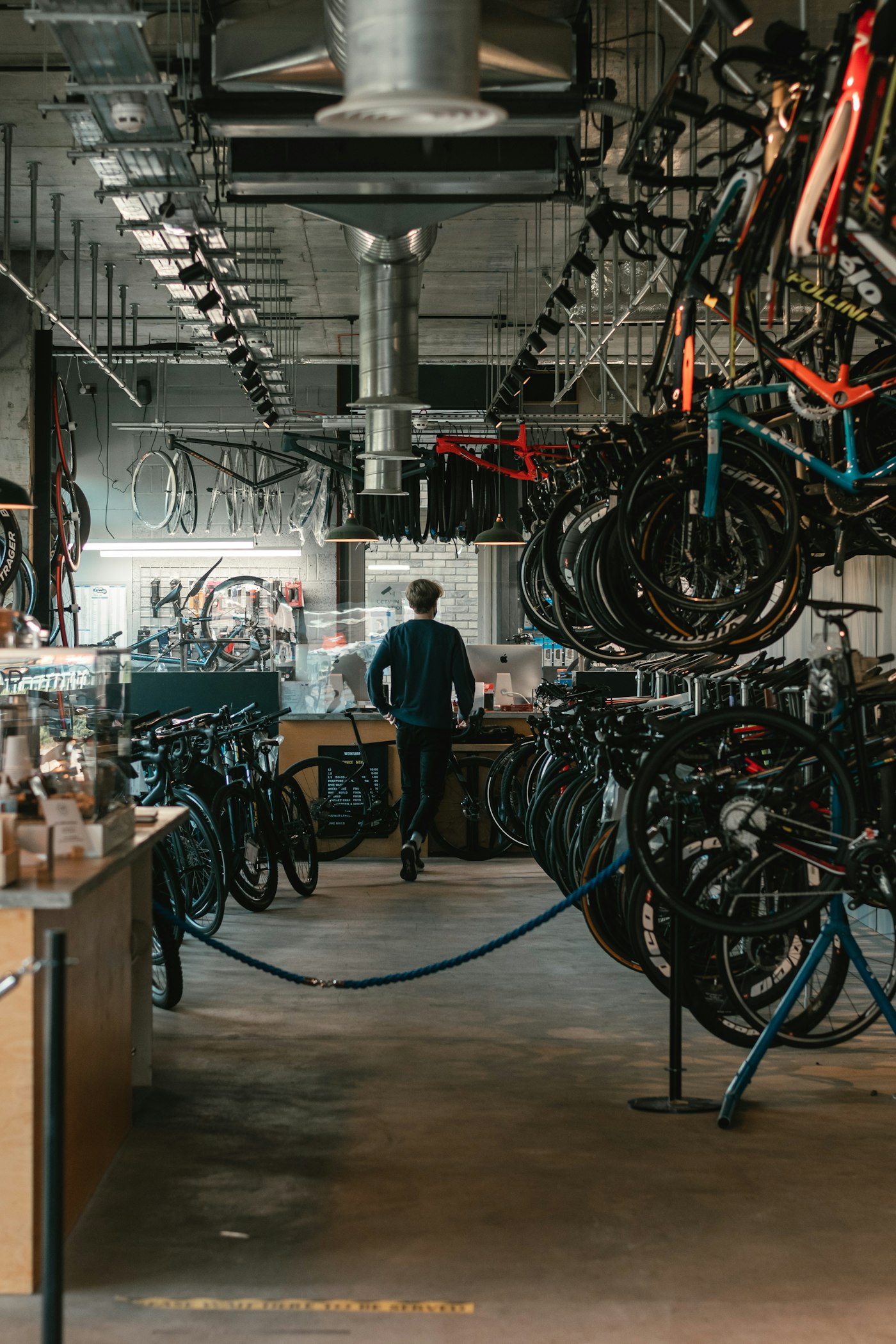
Short answer: Importing bicycles from China takes five steps: a written spec sheet, a verified factory with valid test reports, an agreed Incoterm and staged payment, a third-party pre-shipment inspection, and customs documents under HS 8712.00 (HS 8711.60 for e-bikes). First-time importers rarely lose money on unit price. They lose it on six avoidable mistakes: vague spec, no inspection, full prepayment, wrong Incoterm, ignored certification, weak packing.
Mistake 1: ordering from a photo instead of a spec sheet
Two factories can quote the same 27.5-inch hardtail and ship very different bicycles. The fix: attach a spec sheet to the proforma invoice covering frame material and geometry, fork, drivetrain brand and speeds, brakes, rims, tyres, Pantone colours and assembly level (usually 85% assembled), and state that the approved golden sample governs disputes.
Mistake 2: skipping the pre-shipment inspection
Once the container sails you are negotiating a claim instead of fixing a problem. A two-day inspection catches untrued wheels, missing bolt torque, wrong paint batches and mixed component grades. The fix: inspect at about 80% production using an AQL plan tied to your spec sheet, and release the balance only against a passed report.
Mistake 3: paying 100% up front
Full prepayment removes the factory's incentive to correct problems, and it is the structure intermediaries request most. The fix: a deposit to start production, the balance against the passed report and a bill of lading copy, paid only to the company account named on the business licence.
Mistake 4: choosing the wrong Incoterm
Comparing an EXW quotation with a CIF quotation is not comparing the same thing: the Incoterm decides who arranges transport, who carries risk, and which costs sit outside the invoice.
| Incoterm | Seller handles | Buyer handles | Best for |
| EXW | Goods at factory door | Export clearance, freight, duty, delivery | Importers with a China forwarder |
| FOB | Export clearance, on board at Chinese port | Freight, import clearance, duty, delivery | Most first-time B2B buyers |
| CIF | Freight and insurance to arrival port | Import clearance, duty, VAT, delivery | Buyers without a freight partner |
| DDP | Everything including duty and door delivery | Receiving the goods | Buyers wanting one landed figure |
The fix: state the Incoterm and named place in every enquiry, and compare offers only on identical terms. FOB is the sensible default for a first order.
Mistake 5: leaving certification and duty until arrival
Standards shape frame construction, braking and battery systems, so they cannot be retrofitted. EU and UK bicycles are tested to EN ISO 4210 (EN ISO 8098 for children's), e-bikes to EN 15194, and the US applies CPSC 16 CFR 1512; batteries need UN 38.3, with UL 2849 increasingly requested in North America. The fix: get a test report for your exact model before production, and confirm duty and anti-dumping exposure with a broker.
Mistake 6: accepting whatever packing the factory offers
Weak cartons collapse under stacking, unprotected derailleur hangers bend, and oversized cartons waste container space. A 20ft container holds roughly 250-300 bicycles, a 40ft around 450-520 and a 40ft HQ about 500-600, fewer for e-bikes. The fix: specify carton grade, foam protection at fork and derailleur, frame bagging, one bicycle per carton with barcode and origin labelling.
How long does a first bicycle order take?
Budget 90-120 days from enquiry to delivered goods: 7-14 days for spec, quotation and vetting, 15-25 for the sample, 30-45 for production, 3-7 for inspection, 5-10 for booking and export clearance, then 18-40 days of ocean transit. Minimum order quantities also shape the plan: e-bikes 25-50 units, road 25-75, city 50-150, mountain 50-100, folding 50-100, kids 100-250.
Frequently asked questions
What documents do I need to import bicycles from China?
The core set is the commercial invoice, packing list, bill of lading and certificate of origin, plus a Form A or FTA certificate where a preferential rate applies. E-bikes add the UN 38.3 summary and a dangerous goods declaration.
How do I verify that a Chinese bicycle factory is real?
Match the legal entity on the business licence to the bank account on the proforma invoice; a mismatch is a warning sign. Then request the export licence, ISO 9001 certificate and test reports.
Do I need certification before the bicycles are produced?
Yes, because standards affect frame construction, braking and battery systems, so retrofitting is rarely possible. Confirm a valid report exists for your exact model under EN ISO 4210, EN 15194, CPSC 16 CFR 1512 or UL 2849.
Can I mix models and colours in one container?
Yes, provided each model and colour meets its own minimum order quantity, since paint batches and component sets are prepared per run. Below a full container, consolidated LCL keeps freight reasonable.
What if the goods do not match the specification?
Caught at pre-shipment inspection, the factory reworks before loading and you lose only days. Discovered after arrival, you depend on the supplier's goodwill, which is why the balance must be tied to a passed report.
Where Source of Bikes fits
Every fix above assumes you already hold vetted factory relationships, an inspection process and a freight setup — exactly what takes a new importer months to build. From Guangzhou we supply it from day one: matching your specification and volume to the right factory in China's bicycle clusters, inspecting 100% of orders before shipment, consolidating models or suppliers into one container, and preparing your export documents. In 15+ years exporting to over 50 countries, we have made these mistakes so you need not.
Send us your requirement — model type, target market, approximate volume and certification needed — and we will return a tailored quotation, a realistic schedule and a recommended Incoterm. Message WhatsApp +8617702000155 or email [email protected], and browse our bicycle range or the importer guide.
