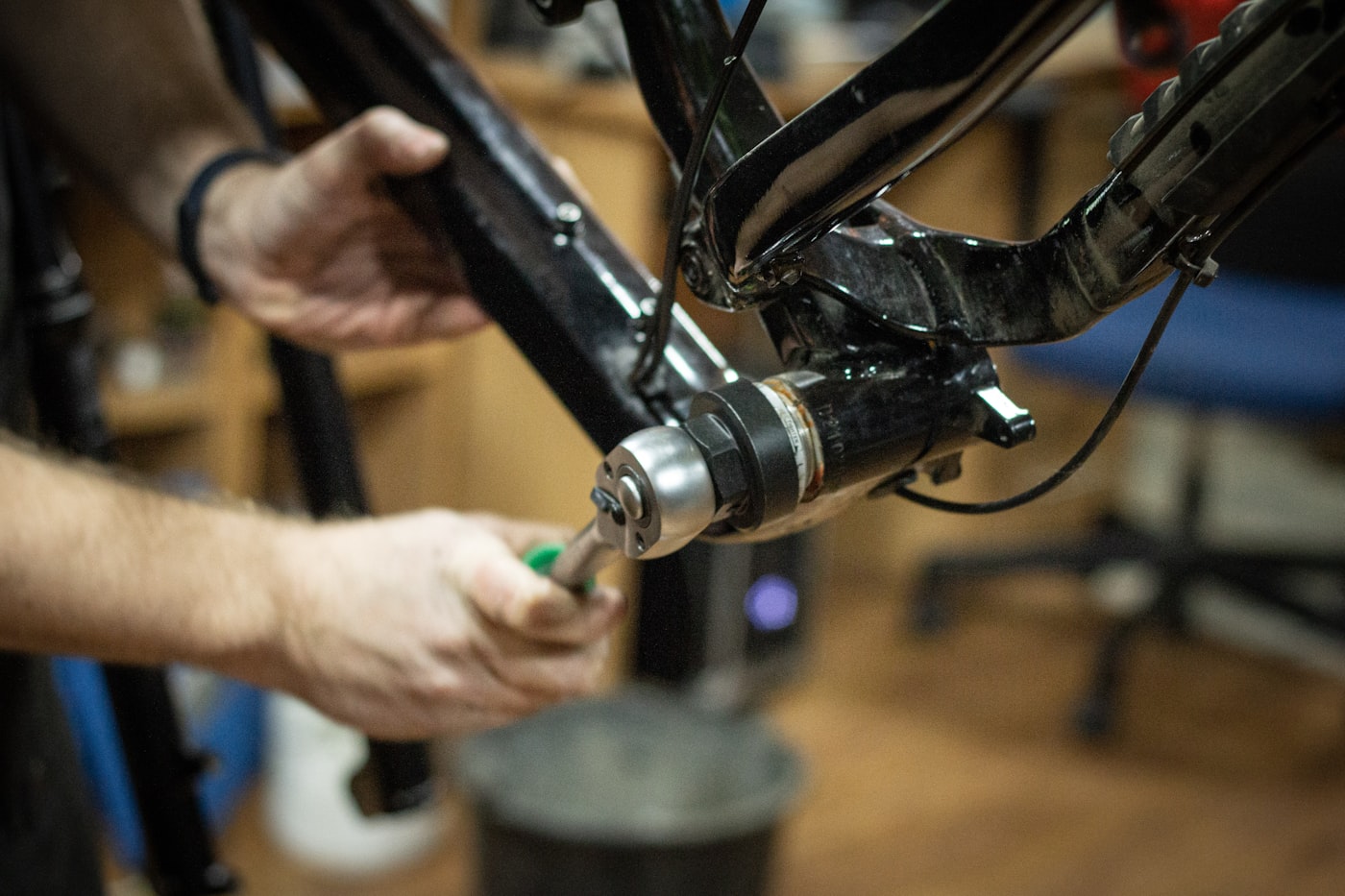
Choosing the right Chinese supplier can be the difference between a profitable deal that recurs for years and a painful loss with a container stuck at port. The conventional and electric bicycle market in China is broad and varied, home to well-established factories alongside middlemen who are better at the sales pitch than at actual production. And because distance and differences in language and culture make verification harder, the importer and wholesaler need a clear methodology to identify the serious supplier before transferring any money. In this article we review the signs of success and failure, the criteria for evaluating a factory, the role of the sample and inspection, and the most important questions to ask before signing.
Signs of a Trustworthy Supplier
A serious supplier doesn't hide its identity or stall on details; instead it makes verification easy for you because it is confident in what it offers. Look for these positive indicators:
- Transparency of information: it provides the factory address, the business registration number, and photos and live video of the production lines without evasion.
- A documented export record: experience exporting to markets similar to yours, and customer references you can actually contact.
- Valid compliance certificates: it holds CE and ISO 4210 for conventional bikes, EN 15194 for electric ones, and UN38.3 for lithium batteries, and shares them as original files rather than fragmented images.
- Professional, organized communication: quick replies, detailed quotes that clearly distinguish between FOB and CIF, and a team that understands trade terminology.
- Willingness to provide a sample: it has no objection to producing a paid sample before the large order, and explains its components to you item by item.
Warning Signs That Spell Failure
Some signals should make you pause and scrutinize, and sometimes withdraw early before they turn into a loss:
- A price far below the market with no logical explanation — a common indicator of low quality or counterfeit components.
- Refusal to share the factory address, or insistence that it is an "intermediary" representing several factories without naming any of them.
- Pressure to pay in full upfront through untraceable channels instead of a reasonable deposit.
- Evasion of technical questions, or vague, contradictory answers about the motor, battery, and frame.
- Certificates that can't be verified, are expired, or belong to a model different from the one you're ordering.
Factory Evaluation Criteria
It's not enough for the factory to be real; it must also suit your size and your need. Assess these dimensions before committing:
- Production capacity: ask about monthly output and the number of assembly lines, and confirm they match your order size and its seasonality.
- Minimum order quantity (MOQ): usually starts at around 100 bikes per model and may rise with OEM because of the dedicated tooling.
- Specialization: a factory specialized in electric bikes differs from one that makes everything; specialization often means higher quality and deeper expertise.
- Supply chain: where does it source the motor, battery, and tires? Relying on well-known sub-suppliers is a positive sign.
- After-sales service: the spare-parts policy, the warranty period, and how it handles defect rates after arrival.
And whenever possible, request a third-party audit report such as SGS or BV; an independent factory visit or a recent report provides a layer of verification that is hard to fake.
The Sample and Quality Inspection: Your First Line of Defense
Never rely on photos and marketing shots alone. A paid sample is the cheapest insurance against a costly mistake; it reveals the quality of the welding, the precision of assembly, and the actual performance of the motor and battery before you commit to a full container. And once the sample is approved, don't leave production unmonitored:
- A paid sample first: inspect it yourself or through a lab, and match it against the written specifications item by item.
- During-production inspection (DUPRO): catches deviations early before the batch is fully completed.
- Pre-shipment inspection (PSI): verifies quantity, packaging, and conformity before the container is loaded, whether FCL or LCL.
- Document everything in writing: specifications, colors, and acceptable quality limits (AQL) within a binding contract, not just scattered messages.
Questions to Ask Before Signing
The right questions reveal a great deal about a supplier's seriousness before you sign any commitment. At a minimum, ask the following:
- Are you a factory or a trading intermediary? And what is your registration number and factory address?
- What is the expected production lead time? (Usually between 25 and 35 days after confirming the sample and the deposit.)
- What are the payment terms? A reasonable deposit (around 30%) with the balance settled at shipment is safer than paying in full in advance.
- Which certificates are available for my market specifically, and do they cover the exact model requested?
- How do you handle defects or shortages after arrival? And what is the expected sea-freight time? (Often between 20 and 35 days.)
- Do you support OEM and ODM and knocked-down export via SKD/CKD to reduce container volume and duties in some markets?
Choosing a supplier is not a gamble but a systematic verification process: transparency, valid certificates, a considered sample, inspection at every stage, and a clear contract. The more time you invest in upfront evaluation, the fewer surprises when the container arrives. At Source of Bikes we act as a supplier and manufacturing partner for importers and wholesalers, providing a factory with documented certifications, pre-production samples, and quality inspection at every step, with support for OEM and ODM services from the first question you ask to the safe delivery of your container to your country's port.
